Seven Weird Formats American Collectors Still Chase in 2026—and What They’re Actually Worth

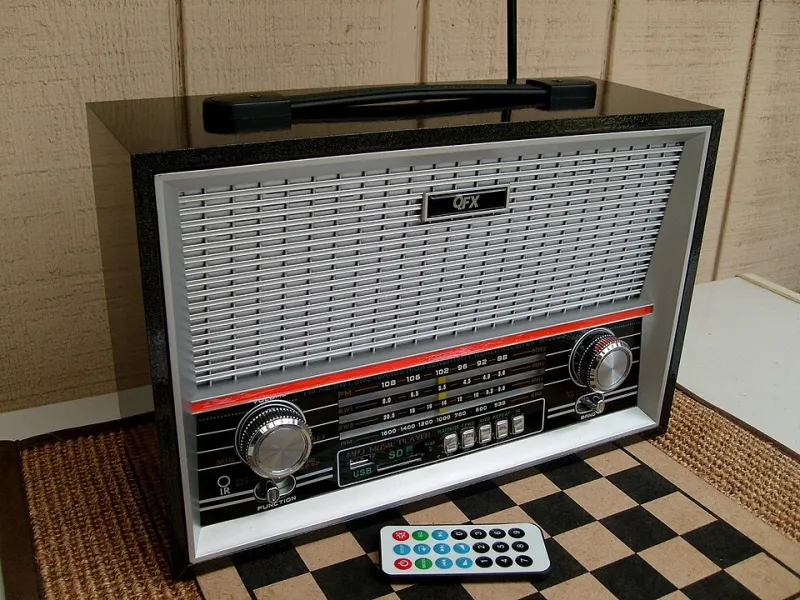
Photo: Hywel Williams, CC BY-SA 2.0, via Wikimedia Commons
Retro media collecting is not just about nostalgia. It is about the thrill of finding a format that the mainstream left behind and figuring out how it works. In 2026, American collectors are still hunting LaserDiscs, MiniDiscs, and other dead formats at estate sales, flea markets, and specialty shops. Some of these formats are cheap. Some are expensive. All of them have failure points. Here is a field guide to seven obsolete media types that still have a pulse.
1. LaserDisc
LaserDisc is the granddaddy of weird home video. The discs are the size of vinyl records, the players are bulky, and the artwork is often gorgeous. Collectors chase Criterion releases, Star Wars editions, concert discs, and Japanese imports. Common titles often sell for $10 to $40 in the US, while rare or sealed editions can hit $100 or more. The big risk is laser rot, which shows up as speckles, dropouts, or a snowy picture. Players also need belt and lubrication service. Display a few discs as art, but store the rest vertically and keep them cool. Digitizing requires a working player and a capture setup, so budget for it.
2. MiniDisc
MiniDisc was supposed to replace the cassette, and in Japan it kind of did. In the US it stayed a niche format for people who liked tiny magneto-optical discs and slick portable players. Collectors now hunt Sony and Sharp units, blank discs, and Hi-MD gear. Working portable players often run $40 to $120, while blanks can be $5 to $15 each. Failure points include belt-driven mechanisms, spindle motors, and battery corrosion. Check that the player can record and erase, not just play. Digitizing is usually done through the analog or optical output into a computer. It is slow, but it works.
3. DVD-Audio
DVD-Audio was a high-resolution audio format that never caught on with mainstream buyers. The discs often include surround mixes, liner notes, and packaging that feels premium. Jazz, classical, and classic rock titles are the most collectible. Common discs sell for $10 to $30, with rare titles going higher. Players are the weak link. Dedicated DVD-Audio players are aging, and lasers can fail. Some universal Blu-ray players handle the format, but compatibility varies. If you find a player at an estate sale, test it with a known disc before you pay. Digitizing is easiest through the player's analog outputs into a clean recorder.
4. HD DVD
HD DVD lost the format war to Blu-ray, which is exactly why collectors like it. The discs are cheap, the hardware is odd, and the library has a strange mix of mainstream titles and oddball releases. Most HD DVD discs sell for $2 to $10 in 2026. Players are $30 to $100 if you can find one locally. The main failures are laser assemblies, firmware quirks, and power supplies. Do not pay a premium unless you are a completist. For display, keep a few cases on the shelf and store the rest away from heat. Digitizing is possible with the right software and drive, but it is a project, not a casual weekend task.
5. Early MP3 players
Before the smartphone swallowed everything, dedicated MP3 players were the coolest thing in your backpack. Collectors now chase early Rio models, iRiver players, Creative Zen units, and first-generation iPods. Prices range from $40 for a basic working player to $200 or more for boxed, mint examples. The usual problems are dead batteries, failing hard drives, and proprietary sync software that no longer works on modern computers. If you buy one, test the headphone jack, the buttons, and the charging port. Display them with a period-correct pair of earbuds. Digitizing is not really the point here; the device is the artifact.
6. Betamax
Betamax is the classic lost format. It lost the VCR war in the US, but it still has fans who swear the picture quality was better. Collectors hunt working Sony and Sanyo decks, blank tapes, and obscure releases. Tapes are often $10 to $30, while players can be $50 to $150 depending on condition. The biggest risks are belts, idler tires, and tape shedding. A tape that has been stored in a hot garage may look fine and then shed oxide all over your heads. Clean your deck and test tapes carefully. Digitizing requires a working deck and a capture card; do not use a cheap adapter and expect miracles.
7. CD-i
CD-i is one of the strangest corners of retro media. Philips built the format for interactive entertainment, and the library is full of educational titles, games, and bizarre multimedia experiments. American collectors usually find CD-i discs in thrift stores because nobody knows what they are. Common discs are $5 to $15, while rare games and hardware bundles can go much higher. The players are the problem: lasers, capacitors, and controller ports fail. If you find a working unit with a controller, that is the real prize. Display the oddball cases, but keep the player ventilated. Digitizing is mostly for archival curiosity, and copy protection can make it a headache.
How to collect dead formats without losing your shirt
Buy working hardware before you buy a stack of media. A format is only fun if you can actually play it. Test everything you can, ask sellers for video of the device running, and assume any untested player needs repair. Store discs and tapes vertically, away from heat and sunlight. Keep a simple inventory with model numbers, condition notes, and what you paid. And digitize responsibly: preserve your own media, respect copyright, and do not turn a hobby into a distribution operation. The weird corners of the retro-media market are still open in 2026. You just have to know what you are getting into.