Lost in the Menu: A Collector's Catalog of DVD-Era Extras That Streaming Left Behind
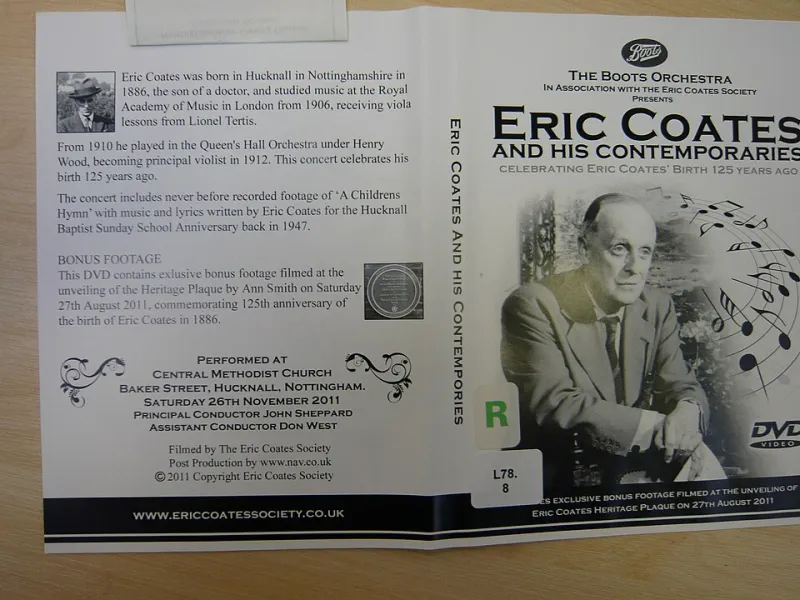
Photo: Anameisbutaname, CC BY-SA 4.0, via Wikimedia Commons
DVD menus used to be a selling point. Studios bragged about animated transitions, hidden buttons, and commentary tracks the way they now brag about 4K transfers. Then streaming arrived, and most of that bonus material quietly disappeared. In 2026, the extras that survive are often the ones that never left the disc. For collectors, that makes the physical edition more than a movie. It makes it an archive.
The commentary track as a time capsule
Commentary tracks come in several flavors, and each one is a small piece of film history. There is the scholarly track, where a critic walks through the frame and explains why a shot matters. Roger Ebert's tracks for Citizen Kane and Dark City are the classic examples. There is the cast-and-crew track, where the chemistry between collaborators is half the entertainment. John Carpenter and Kurt Russell on The Thing is a good benchmark. There is the in-character track, like the actors from This Is Spinal Tap staying in persona for the whole running time. And there is the chaotic track, where the participants clearly have not watched the film in years and the result is closer to a reunion than an analysis.
Some of these tracks were removed from later editions because of legal disputes, music clearances, or simple neglect. Some never appeared on streaming at all. A commentary is not just a bonus feature. It is often the only long-form interview the participants ever gave about the project.
Menus as playgrounds
DVD menus were the format's showroom, and some discs turned them into games. The Memento special edition hid a chronological cut of the film behind a menu sequence. The Matrix leaned into its white rabbit motif. Fight Club and Se7en used menus that were designed to unsettle you. Star Wars discs tucked trailers and documentary clips into unlikely corners. Pixar discs were famous for their Easter eggs, and the hunt was part of the fun.
These features are fragile. They depend on remote-control sequences, specific player behavior, and menu code that no streaming interface reproduces. If you own the disc, document the sequence. If you do not, the window is closing.
Insert booklets and the lost essay
A DVD insert used to be a small publication. Criterion built its reputation on essay booklets. Kino Lorber and Anchor Bay packed production notes and interviews into their releases. Some discs included chapter lists, cast bios, and DVD-ROM press kits that were never posted anywhere else. These paper extras are often the first thing to go missing at a thrift store, and they are the hardest to replace. A disc without its booklet is still watchable. It is just less of a document.
Packaging as bonus content
Packaging is part of the object. Warner's snapper cases, digipaks, double-sided flipper discs, limited-edition tins, and elaborate box sets all carry information that the stream does not. The Blade Runner briefcase and the Alien Quadrilogy box were designed as collector's items, and they still function that way. Even a simple reversible cover can preserve the original theatrical artwork that a later reissue replaced.
DVD-ROM features and other dead formats
This is the most endangered category. DVD-ROM features often relied on InterActual players, Flash animations, QuickTime videos, and web links that are long dead. Script-to-screen modes, production databases, and interactive maps were common in the early 2000s. They barely run on modern computers. If a disc in your collection has DVD-ROM content, capture it now. Screenshots, PDF exports, and notes are better than nothing.
How to catalog what you have
A simple spreadsheet is enough to start. Record the title, edition, distributor, region, and a short list of extras. DVD Profiler and similar databases can hold more detail. Take photos of the packaging and scan the inserts. Keep a note of any Easter eggs you have verified. The goal is not a museum-grade record. The goal is a list you can actually use when you are standing in a thrift store trying to remember whether you already own the two-disc edition.
Preservation in practice
Personal backups of discs you own are a common practice, though the legal details vary. MakeMKV and similar tools can preserve the main feature and many extras. Store scans of booklets and covers as PDFs. Back up the whole project to a second drive. Test the old discs every few years; disc rot is real, and a disc that played fine in 2015 may not play fine in 2030.
Why it matters
Streaming flattens a movie into a file with a play button. The disc edition carries context: the commentary, the essay, the trailer, the menu that someone spent weeks designing. Those extras are not trivia. They are the paper trail of how a film was made and how it was sold. Collectors keep them because they understand that the movie is only part of the story.