Ownership Is the New Audiophile Flex: Building a Private MP3 Library That Outlasts Streaming
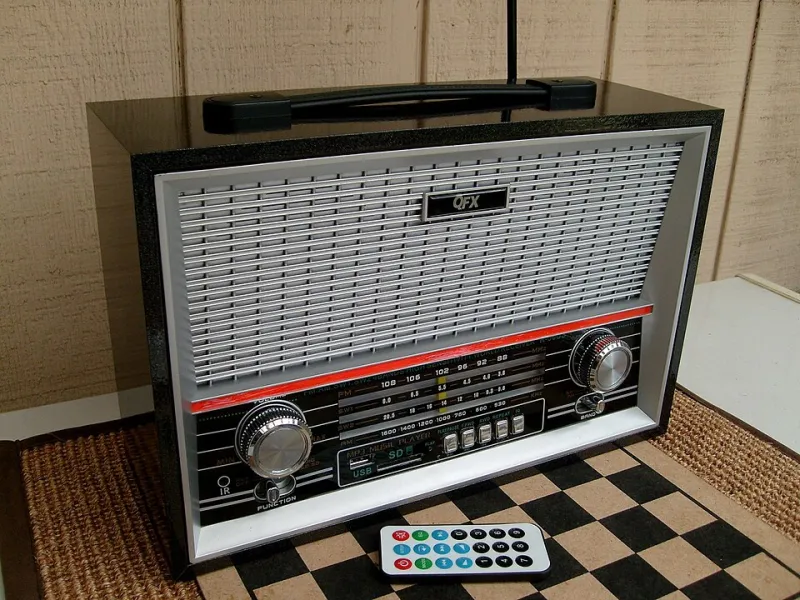
Photo: James Case from Philadelphia, Mississippi, U.S.A., CC BY 2.0, via Wikimedia Commons
Every few years someone declares the MP3 dead. Streaming killed the download, the argument goes, and the only people still hoarding files are pirates or graybeards with a hard drive full of 2004 rips. That story is tidy, and in 2026 it is also wrong. A quiet corner of the music world is rebuilding private libraries with the same seriousness that vinyl collectors bring to a first pressing. The difference is that these collectors argue about encoder settings and tag syntax instead of sleeve condition.
The streaming hangover
Streaming is still convenient, and it is still the default for most listeners. But the cracks are showing. Subscription prices keep climbing. Albums disappear for months at a time because a licensing deal lapsed. Remasters replace the original mixes, and there is no toggle to get the version you grew up with. Region locks and catalog gaps mean the song you want may simply not exist on your service of choice. The result is a low-grade anxiety that the music you love is rented, not owned.
Why MP3, of all formats
MP3 is not the highest-fidelity format ever made. It is, however, the most compatible one. It plays in cars, on phones, on old iPods, on game consoles, on cheap boomboxes, and on software that will still run in 2046. It has no DRM and no login screen. That combination makes it a deliberate retro format in the same way vinyl is: it asks for a little effort, and it gives back a sense of control. The vinyl analogy is imperfect, but the impulse is the same. A private MP3 vault is a statement that your listening habits should not depend on a company's quarterly licensing strategy.
Bitrates and encoders still matter
The nerds are not wrong about the numbers. LAME 3.100 remains the reference encoder for most collectors, and the -V0 variable-bitrate preset is the common sweet spot between file size and transparency. Some people still prefer 320 kbps constant bitrate because it is easy to verify and easy to explain. Joint stereo, lowpass settings, and gapless playback all matter if you care about album sequencing. Serious archivists keep a lossless FLAC master and generate MP3s as a portable copy. AccurateRip checksums confirm that a rip matches other verified copies. None of this is mandatory. It is just the difference between a folder of files and a collection.
Tags are the catalog
A music library is only as good as its metadata. ID3v2.3 is still the safest choice for broad compatibility, while ID3v2.4 handles more modern tags. Album Artist is the field that keeps compilations from splintering across a dozen artists. Disc numbers and leading zeros in track numbers keep multi-disc sets in order. MusicBrainz IDs, sort tags, and the compilation flag are the difference between a library that browses cleanly and one that looks like a yard sale. The tag perfectionists are not being fussy for its own sake. They are building something that will still make sense when the software changes.
The folder structure argument
There are two schools: let the tags do the work, or let the folders do the work. The best answer is usually both. A simple Artist/Album/Track layout is readable on any device, including the ones that ignore tags entirely. Various Artists compilations, soundtracks, and singles deserve their own rules, but the rules should be written down. Consistency beats cleverness. Unknown Artist is a confession, not a category.
Album art and the scanned booklet
Cover art is part of the archive. A 1000 by 1000 pixel scan stored as cover.jpg or folder.jpg will look good on a phone and on a desktop. Back covers, booklet pages, and disc scans are worth keeping for the albums that matter most. Some collectors go further and store a PDF of the full booklet alongside the audio. This is the MP3 equivalent of keeping the liner notes, and it is the part most people forget until the CD is gone.
The toolkit
Mp3tag is the workhorse for bulk edits. foobar2000 remains the player of choice for people who like to see the plumbing. MusicBrainz Picard and Beets can automate tagging and file organization. Exact Audio Copy, dBpoweramp, and CUETools handle secure ripping and verification. None of these tools are new, and that is the point. They are stable, they are documented, and they will still work when the next streaming startup folds.
Backups or it didn't happen
A vault with one copy is not a vault. Follow the 3-2-1 rule: three copies, on two different types of media, with one offsite. Use checksums to detect silent corruption. Test your restores before you need them. A 60-dollar external drive and a cloud backup account will cover most personal libraries. The point is not to build a data center. The point is to make sure a dead laptop does not erase twenty years of listening.
The legal gray zone
Ripping CDs you own for personal use is a well-worn practice, though the legal details vary by jurisdiction. Downloading music from unauthorized sources is a different matter, and no amount of tagging makes it something else. The collectors worth listening to keep their vaults built on owned media, and they treat the files as a backup rather than a substitute for the purchase.
What a vault gives you
A private library is not a nostalgia project. It is a practical answer to a real problem. It gives you offline access, stable album sequencing, the original mixes, and a collection that does not vanish when a contract expires. It also gives you something harder to quantify: the pleasure of a library that reflects your taste rather than an algorithm's guess. That is why the bitrate nerds are winning again. They are not chasing the past. They are building something that lasts.